
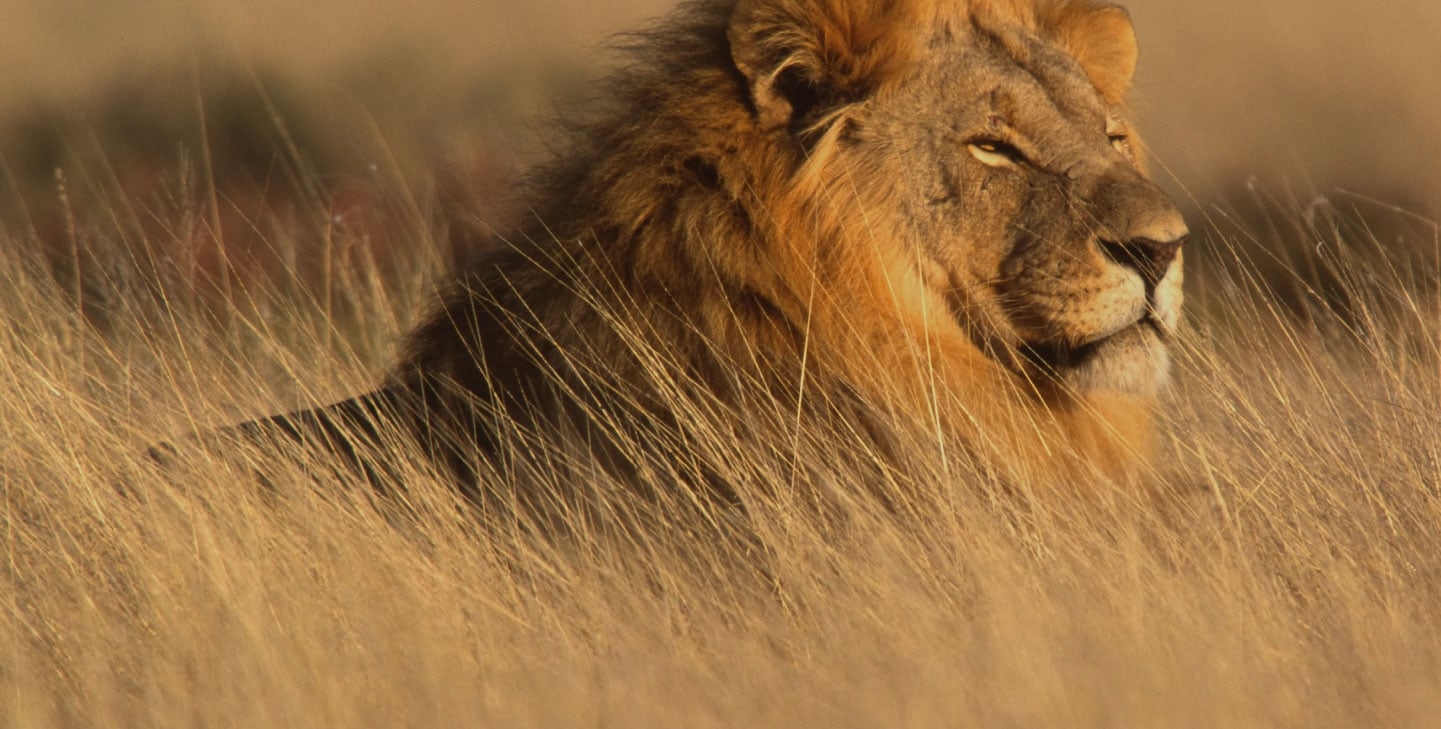
Wildlife research is an exciting and meaningful field, offering opportunities to study animals, their habitats, and the ecosystems they inhabit. As the demand for wildlife protection grows, so does the need for well-trained professionals who can contribute to conservation efforts. One way to gain the knowledge and skills required for a successful career in wildlife research is through wildlife conservation courses online. These courses provide accessible, flexible, and comprehensive learning options for aspiring wildlife researchers.
Understanding Wildlife Conservation Courses Online
Wildlife conservation courses online are educational programs designed to teach students about the principles and practices of protecting wildlife and natural habitats. These courses cover a range of topics, including ecology, animal behavior, environmental policies, and sustainable conservation practices. They are suitable for beginners who want to enter the field as well as for professionals looking to expand their knowledge. By offering digital learning platforms, these courses allow learners to study at their own pace, making them accessible to people worldwide.
Developing Essential Knowledge and Skills
Enrolling in wildlife conservation courses online helps build a solid foundation of theoretical and practical knowledge. Learners gain insight into the behavior of different species, the challenges they face in the wild, and strategies to mitigate threats like habitat loss, climate change, and poaching. Additionally, these courses often include case studies and practical assignments that teach problem-solving, research methods, and data analysis. Developing these skills is crucial for anyone aiming to work in wildlife research or conservation projects, as they provide the tools to make informed decisions in the field.
Enhancing Career Opportunities in Wildlife Research
Completing wildlife conservation courses online can significantly enhance career opportunities. Many conservation organizations, wildlife sanctuaries, and research institutions value candidates who have formal education in conservation practices. Online courses can help learners qualify for roles such as wildlife biologists, field researchers, conservation officers, and environmental educators. Additionally, some courses offer certification that can strengthen a resume and demonstrate commitment to professional development. With the right combination of education and experience, learners can access a wide range of roles in both national and international wildlife conservation efforts.
Flexibility and Accessibility for Busy Professionals
One of the main advantages of wildlife conservation courses online is the flexibility they offer. Unlike traditional classroom programs, online courses allow learners to access study materials from anywhere and at any time. This flexibility is particularly beneficial for working professionals or students who need to balance other responsibilities while advancing their knowledge in wildlife conservation. Furthermore, online courses often include interactive resources, discussion forums, and virtual field experiences, making learning engaging and practical even without physically being in the field.
Staying Updated with Current Conservation Practices
The field of wildlife conservation is constantly evolving, with new research findings, technologies, and strategies emerging regularly. Wildlife conservation courses online provide learners with up-to-date information on best practices and current trends in conservation. This continuous learning ensures that professionals remain informed about the latest developments in wildlife research, enabling them to apply innovative methods in their work. Staying current with advancements in the field is essential for making a meaningful impact and contributing effectively to conservation efforts.
Networking and Collaboration Opportunities
Many online wildlife conservation courses include opportunities for learners to interact with instructors and fellow students from around the world. These connections can lead to valuable networking and collaboration opportunities, which are essential in the research community. Sharing ideas, discussing projects, and learning from experienced conservationists helps students build a professional network that can support their career growth. Such collaborations can also open doors to internships, research projects, and job placements in wildlife research organizations.
Conclusion
Wildlife conservation courses online offer a practical, flexible, and comprehensive way to prepare for a career in wildlife research. They provide essential knowledge, practical skills, and professional certifications that enhance employability and career growth. By studying online, learners can access high-quality education, stay updated with current conservation practices, and connect with a global community of wildlife enthusiasts and professionals. For anyone passionate about protecting wildlife and contributing to research efforts, enrolling in wildlife conservation courses online is a valuable step toward building a successful and impactful career.